
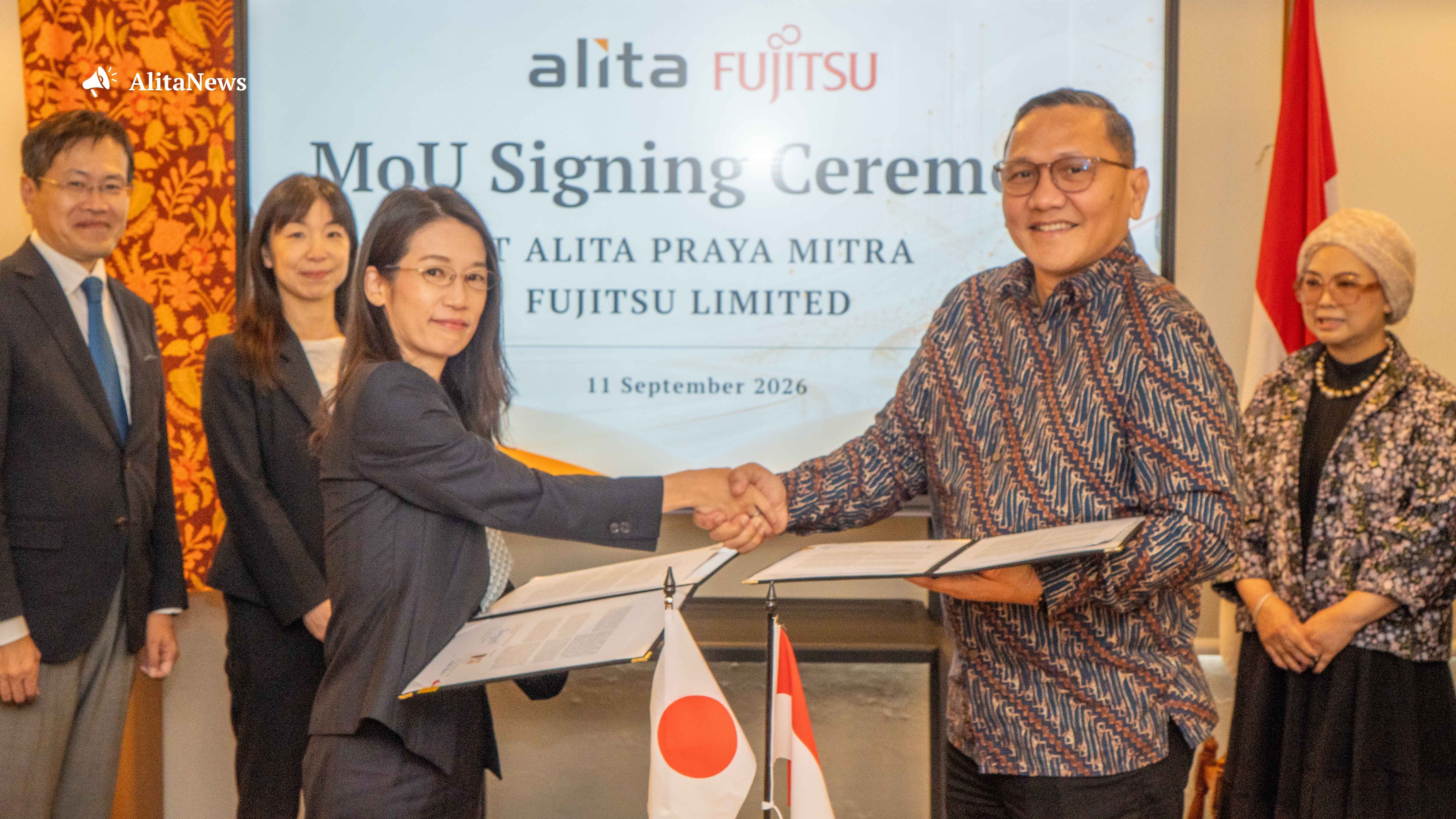
Alita and Fujitsu to Explore AI-Powered Human Motion Analytics for Indonesia
Understanding how the human body moves has long required specialized equipment and controlled environments. A new collaboration aims to make that kind of insight more practical for the professionals working in Indonesian clinics, training rooms, and rehabilitation centers.
PT Alita Praya Mitra (Alita) and Fujitsu Limited have signed a Memorandum of Understanding (MoU) to explore the development and application of AI-powered Human Motion Analytics in Indonesia. The collaboration will initially focus on opportunities across sports and healthcare, including performance analysis, mobility assessment, guided training, and rehabilitation progress monitoring.
The MoU was signed by Joseph Lumban Gaol, President Director of Alita, and Naoko Otsuka, Corporate Executive Officer, EVP, Global Solutions Business Group at Fujitsu Limited, during a Fujitsu delegation visit to Alita's headquarters in Jakarta. Also present at the signing were Ita Yuliati, President Commissioner of Alita, and Hidenori Fujiwara, Head of Trusted Society Human Digital Twin Division at Fujitsu Limited.
What makes this technology different?
Objective movement analysis has traditionally relied on specialized equipment, including sensors, physical markers, dedicated cameras, and controlled environments. Those approaches remain valuable, but their infrastructure requirements can put them out of reach for many sports, healthcare, and rehabilitation organizations.
Developed by Fujitsu, Human Motion Analytics uses AI-based skeletal recognition to detect key points of the human body and analyze movement patterns from video footage. Through a markerless approach, posture, balance, timing, symmetry, cadence, and movement sequence can be translated into measurable information without physical markers or wearable sensors.
These insights can help coaches, healthcare professionals, and therapists better understand movement, monitor changes across sessions, and give more consistent feedback. The technology is designed to complement the expertise and professional judgment of its users, not to replace it.
What does each partner bring?
The collaboration combines Fujitsu's global technology expertise with Alita's understanding of Indonesia's market, stakeholder landscape, and implementation requirements. Together, the companies will assess how Human Motion Analytics can be adapted to local professional environments.
Human Motion Analytics forms part of Fujitsu Uvance, Fujitsu's portfolio of cross-industry solutions designed to address business and societal challenges. Alita has also been approved to participate in the Uvance Partner program, Fujitsu's strategic partnership program for developing joint business opportunities in each partner's market.
"Indonesia presents significant opportunities for technologies that support health, human performance, and quality of life. By combining Fujitsu's technology and expertise with Alita's local market understanding, infrastructure experience, and stakeholder network, we aim to identify applications that can address relevant needs in Indonesia," said Naoko Otsuka.
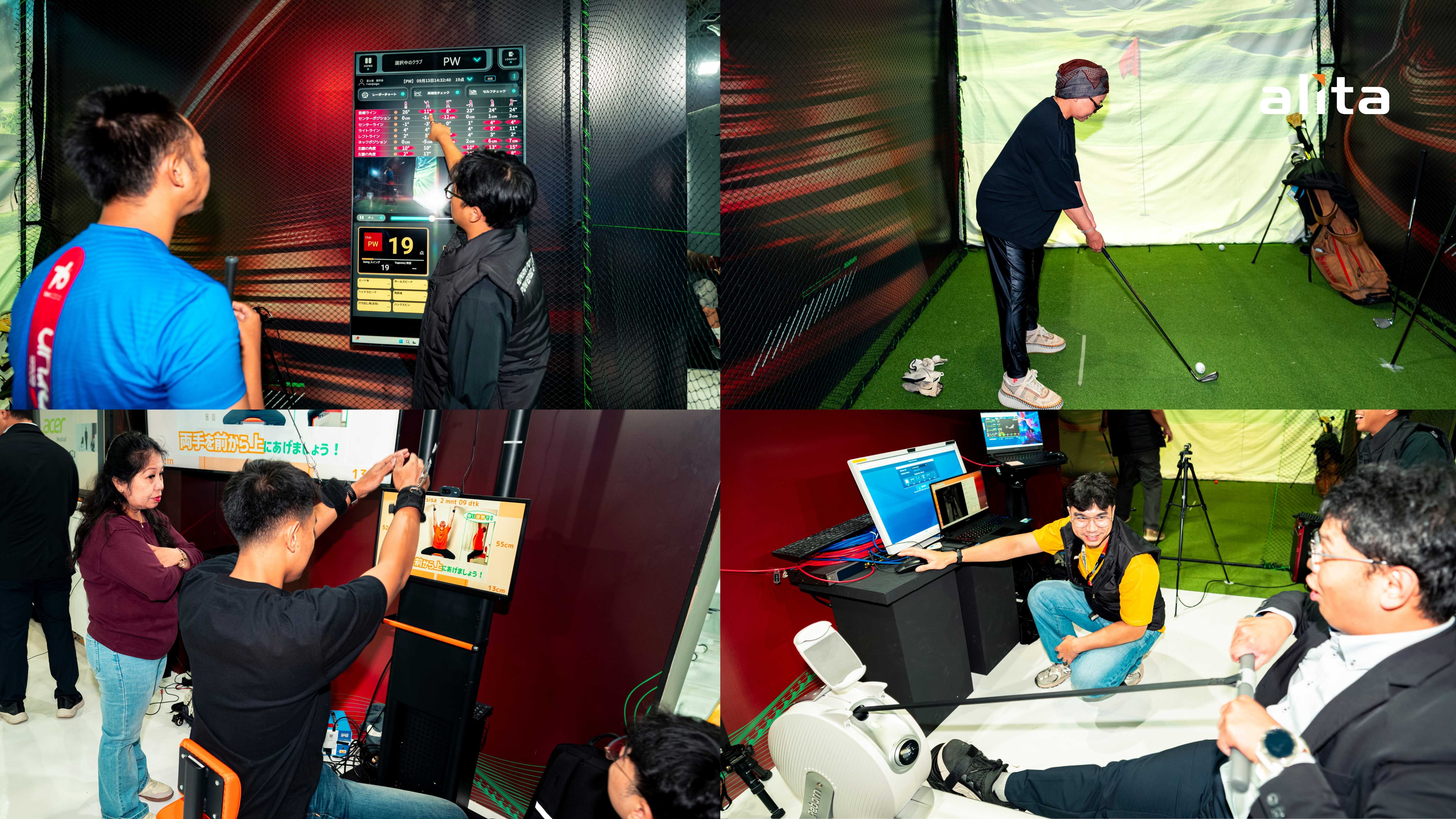
What are the four applications?
The initial applications introduced under the collaboration include:
aiGait supports video-based gait and balance assessment, translating walking movements into comparable mobility indicators for clinics, rehabilitation centers, senior care, and neuro programs.
HiTREX connects guided exercise, AI movement analysis, mobility measurement, and progress reporting in one workflow for senior mobility, rehabilitation, and wellness programs.
Rowing Analysis evaluates posture, timing, movement sequence, and balance across the different phases of a rowing stroke, supporting fitness, rehabilitation, wellness, and performance centers.
AIGIA analyzes golf swing mechanics to support more consistent coaching and guided practice for simulators, driving ranges, academies, and clubs.
Together, these applications show how video-based movement analysis can support environments ranging from sports training and performance centers to hospitals, rehabilitation facilities, senior-care providers, and wellness programs. All four are designed to support professional assessment and decision-making, not to replace clinical diagnosis or expert judgment.
Why does this matter for Alita?
For more than three decades, Alita has supported Indonesia's digital development by delivering infrastructure and technology solutions for telecommunications operators, enterprises, and public institutions. The collaboration with Fujitsu extends that experience into AI-enabled applications that turn human movement into measurable and meaningful insight.
"For more than 30 years, Alita has developed digital infrastructure and technology capabilities that support institutions across Indonesia. Through this collaboration with Fujitsu, we are expanding those capabilities into new AI-based applications. Our role is not simply to introduce global technology to Indonesia. We aim to combine it with our local knowledge and execution capabilities so that its application can be aligned with the needs of athletes, coaches, healthcare professionals, and organizations in Indonesia," said Joseph Lumban Gaol.
The initiative extends Alita's Business Productivity pillar, one of the company's four solution pillars, which covers the application of artificial intelligence for organizational needs. It also marks another step in Alita's transformation from a digital infrastructure provider into a Digital Business Solution Enabler, opening opportunities across sports, healthcare, rehabilitation, wellness, and education.
What happens next?
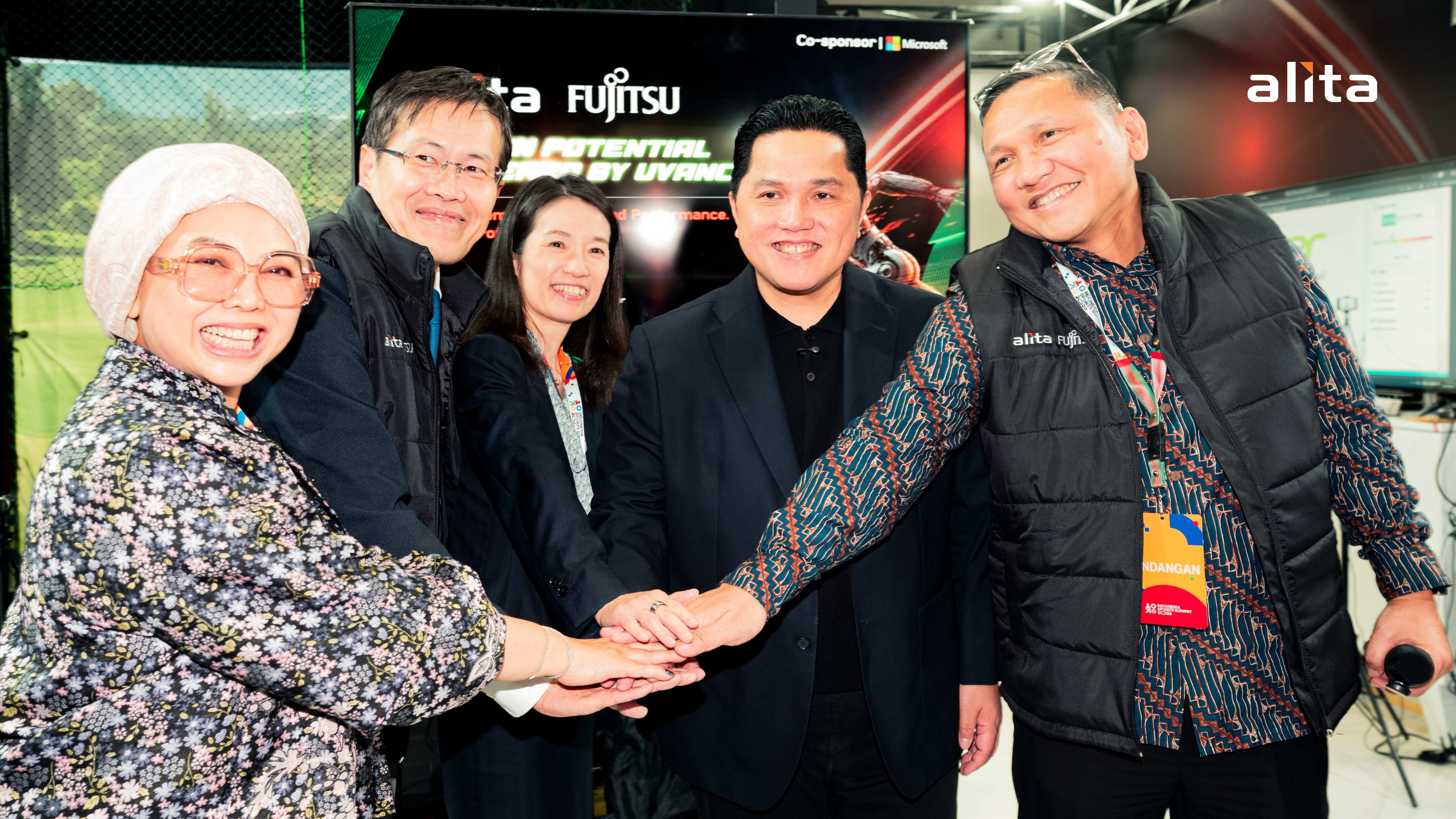
As an initial step, Alita and Fujitsu introduced the four applications at Indonesia Sports Summit 2026, held from 11 to 13 September 2026 at the Jakarta Convention Center. The showcase allowed both companies to engage with representatives from government, sports, healthcare, education, and business. Feedback gathered during the event will help inform the selection of relevant use cases and implementation priorities.
Moving forward, Alita and Fujitsu will engage with relevant stakeholders, evaluate priority use cases, and assess the technical and operational requirements for implementation. That includes determining how Human Motion Analytics can be validated and integrated into existing professional workflows. Data privacy, security, governance, and responsible use will remain important considerations throughout the evaluation process.
The MoU is a non-binding framework, and any commercial arrangements that follow will be governed by separate agreements.
For Alita, this collaboration reinforces a long-standing commitment: connecting global innovation with local understanding, and turning technology into solutions that fit Indonesia's evolving needs.
Organizations in sports, healthcare, rehabilitation, or education interested in exploring these applications can get in touch through alita.id.
Ready to Lead Your Industry?
Transform now.
Tags:
Related Articles
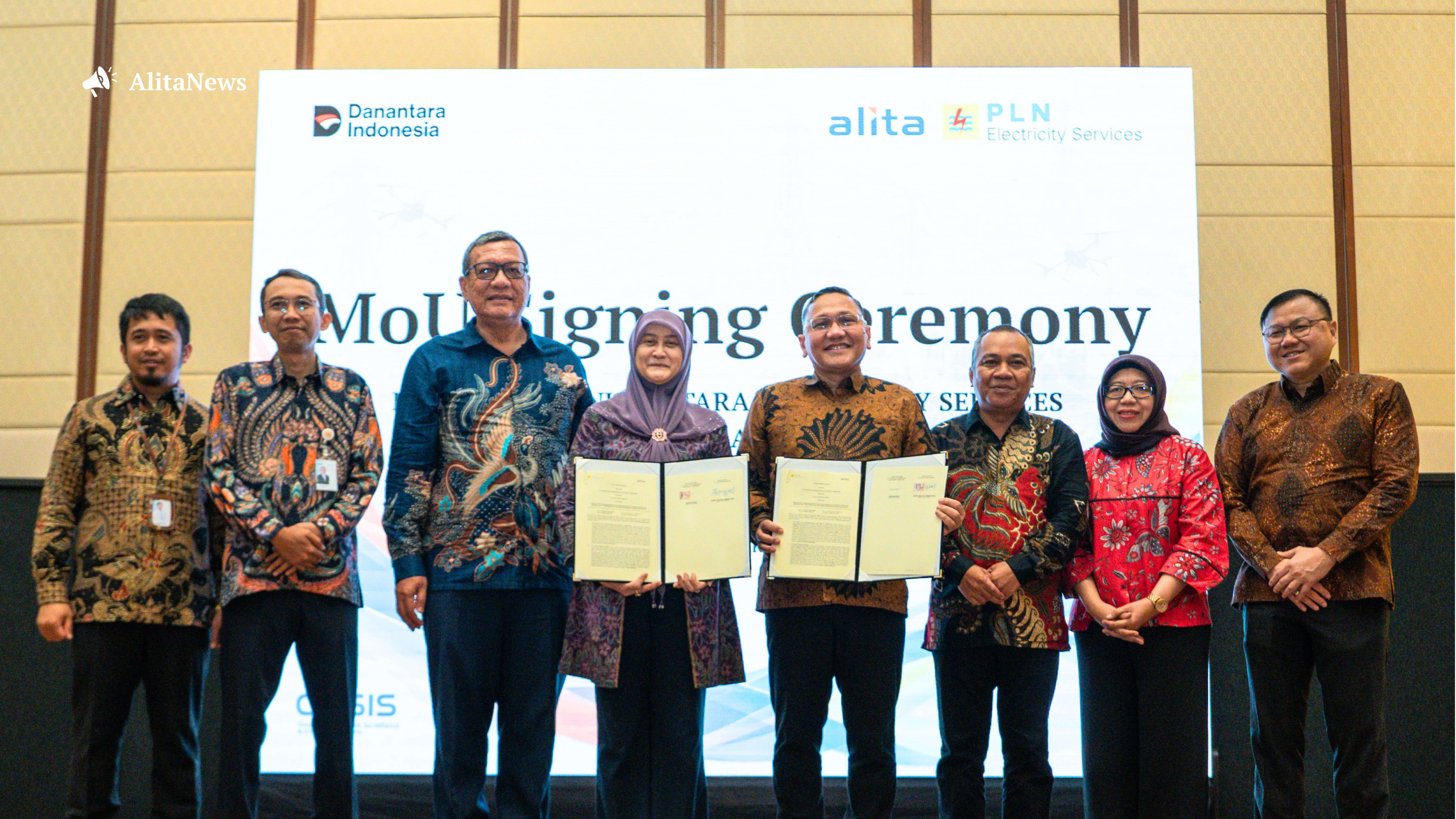
Alita Partners with PLN Electricity Services on Asset Management
Alita and PLN Electricity Services partner to bring drone-based asset monitoring to Indonesia's power sector.

Aligning Vision for Alita’s Next Phase of Growth
Alita held its 2026 AGMS to strengthen strategic alignment and reinforce its commitment toward sustainable growth.